
Social Democracy in its early days swore allegiance to Marxism. In many countries it became the main party of the working class. But due to the subjective weaknesses of its leaders – lacking theoretical clarity – and the pressures of the powerful economic boom of the 1890s through to the First World war, Social Democracy abandoned the ideas of revolution and moved towards reformism. They then went on to betray one revolution after another, playing the role of strike-breakers and holding back the working class. This in turn prepared the ground for the rise of fascism.
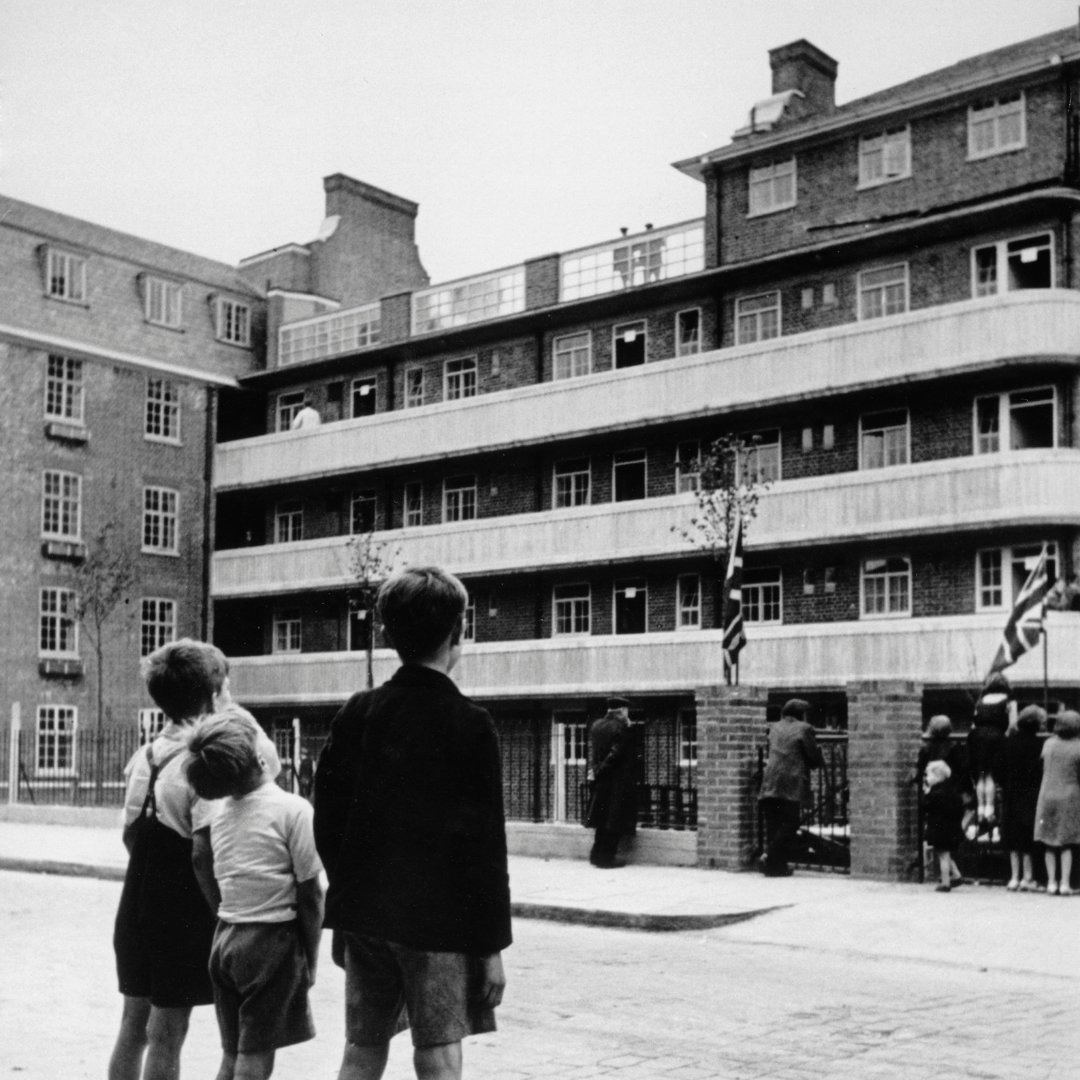
After the Second World War, on the back of the unprecedented post-war boom, Social Democracy had a new lease of life, becoming once again a dominant force within the labour movement. However, once that boom ended in the 1970s, its leaders were once again called on to put out the fires of the class struggle. They have governed carrying out the policies demanded by the capitalist class, thus losing much of the support they once had.
Fred Weston will explain, from a Marxist point of view, why all this happened and what needs to be built today.
Reading list
Books
- Rosa Luxemburg – “Reform or Revolution” (English) (Spanish) (French) (German) (Portuguese)
Articles
- Karl Marx – “Critique of the Gotha Programme” (English) (Spanish) (French) (German) (Portuguese)
- Daniel Morley – “The Crisis of Social Democracy” (English)
Videos
- Andréas Coste – Debt and the France Insoumise programme: reform or revolution? (French)
- Guillaume Eudeline – Why LFI will not be able to reform the police (French)