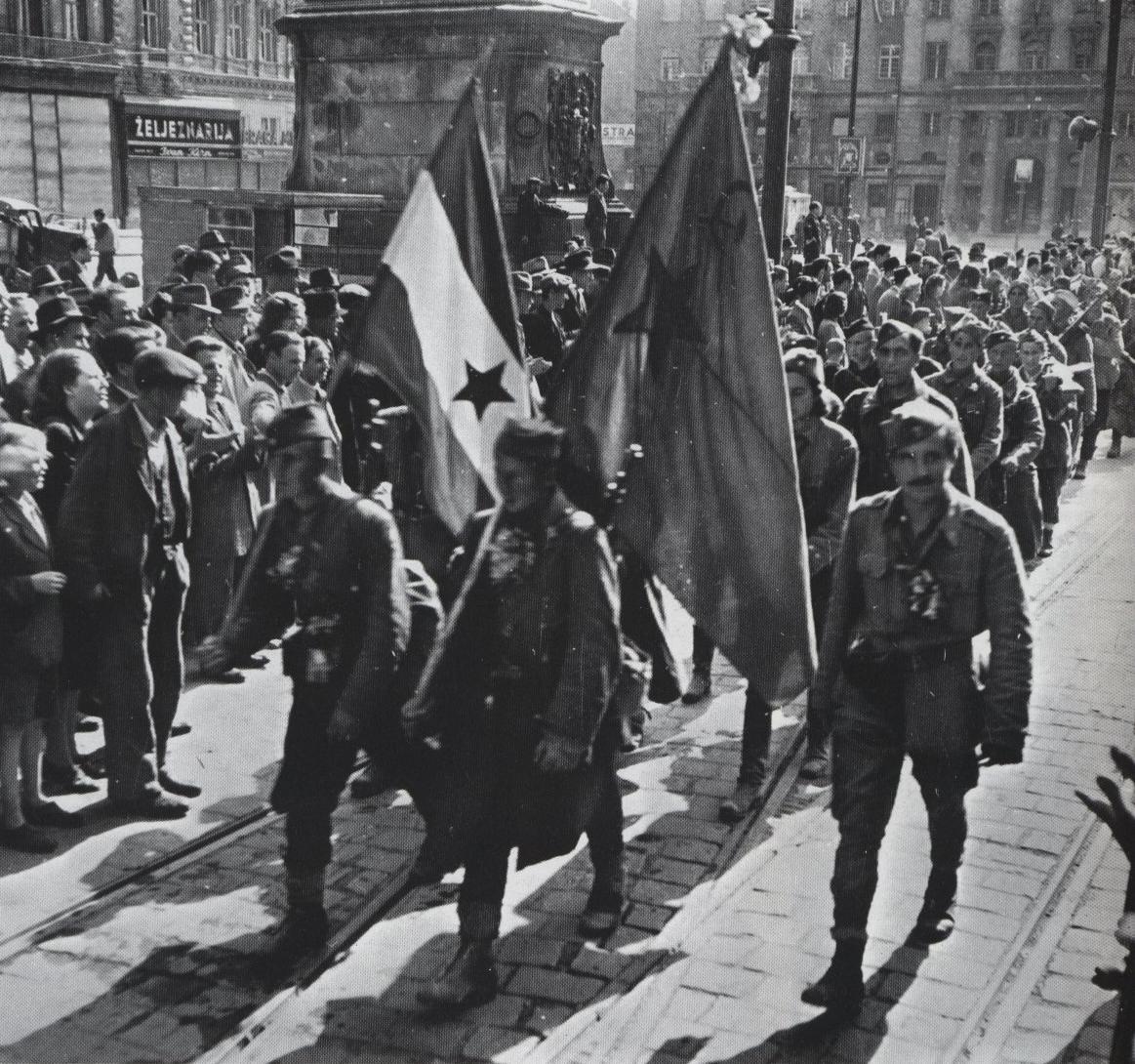

The victory of the Resistance against Nazi-fascism in Yugoslavia was undoubtedly one of the most important revolutionary outcomes of the Second World War. The partisans, led by Tito, were propelled into power by the heroic uprising of the Balkan masses against the joint occupation by Fascist Italy and Nazi Germany. Capitalism in the Balkans, except for Greece, was overthrown.
The establishment of the Socialist Federal Republic of Yugoslavia represented a gigantic step forward for the masses in the Balkans. Tito and the Yugoslav party emerged as the most prominent Communist Party outside of the Soviet Union. However, in 1948 Stalin’s Cominform expelled Tito and the Yugoslav party, to the dismay and surprise of the Yugoslav communists and of large layers of the communist movement. The so-called Stalin-Tito clash precipitated the Stalinist movement in the first crisis after the USSR’s triumphal victory over Nazi-fascism.
But what was Yugoslavia? Why did Stalin and Tito clash? What did this conflict reveal about the nature of Stalinism and the constellation of deformed workers’ states arising from the Second World War? These will all be answered by leading member of the Revolutionary Communist International, Francesco Merli.
Reading list
Books
Articles
- Ted Grant, Jock Haston – “Behind the Stalin-Tito Clash – Yugoslavs too Independent” (English)
- Ted Grant – “Reply to David James” (English)
- “The degeneration and collapse of the Fourth International: in defence of our heritage” (English) (French)